
How to Integrate Capture Information into Your Proposal Process: September 2026 Guide
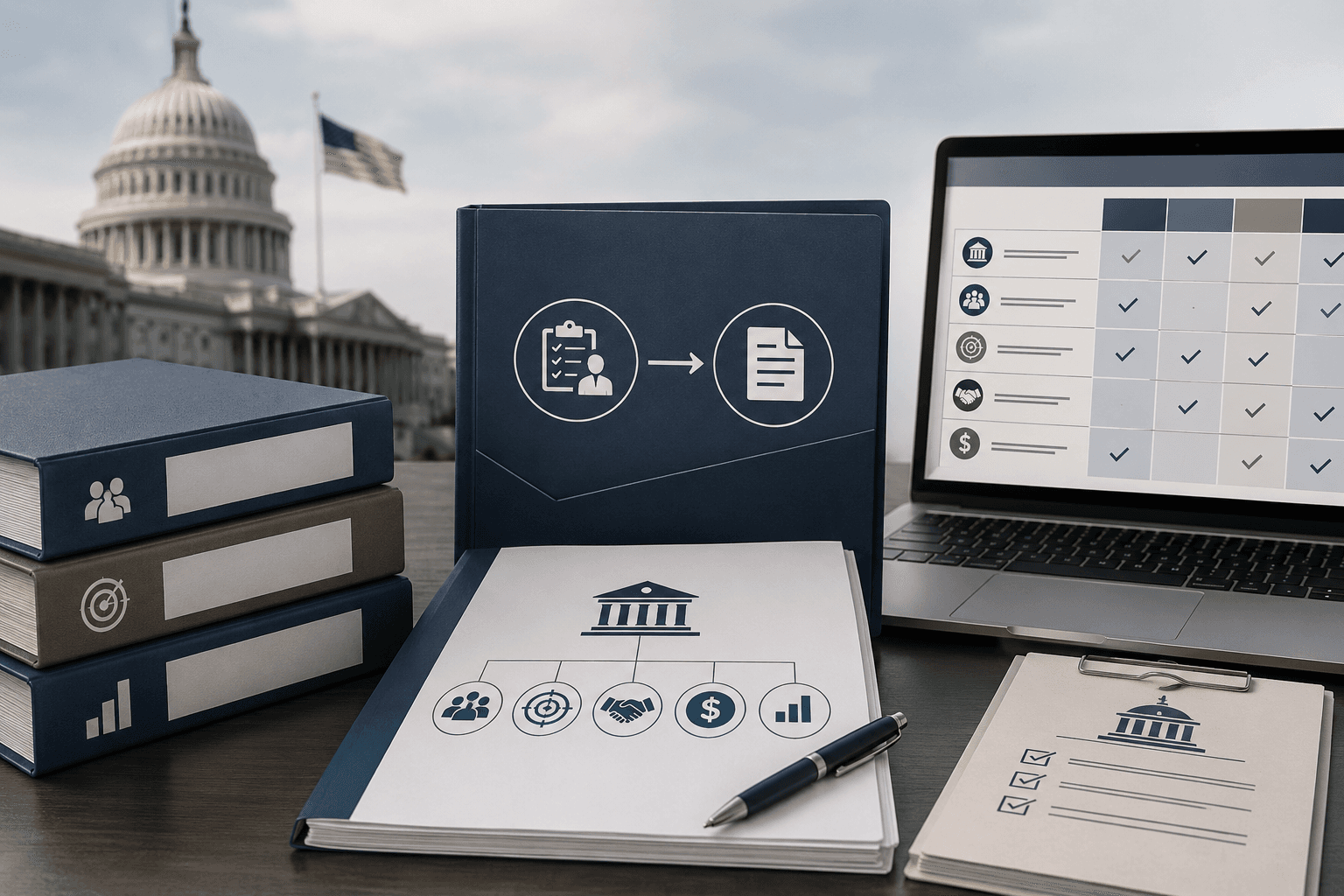
Your proposal team starts writing, and nobody can find the win themes your capture manager drafted three months ago. The competitive intel sits in a CRM your writers can't access, and the customer meeting notes live in someone's inbox. Getting serious about how you integrate capture information into your proposal process means connecting the systems where intelligence gets collected to the workspace where proposals get written. This guide shows you where to build those connections and what actually needs to transfer when the RFP drops.
TLDR:
- Capture intelligence fails to reach proposal teams when stored in CRMs, emails, or personal notes.
- Structured handoffs with capture briefs, kickoff meetings, and feedback loops prevent rework.
- Compliance matrices enriched with capture data guide writers on strategy and agency priorities.
- Proposal automation software flows win themes and competitive intel from capture directly into proposal sections.
- Built-in amendment tracking keeps capture assumptions aligned with the latest RFP requirements throughout the pursuit.
Why Capture Information Gets Lost Between Teams
The gap between capture and proposal teams comes down to documentation habits and disconnected systems. Capture managers gather intelligence across months of meetings, site visits, and stakeholder conversations, but that knowledge lives in personal notes, emails, or memory and never reaches the shared system the proposal team needs when the RFP drops. CRM platforms serve BD teams tracking pipeline metrics, not proposal writers who need customer pain points and competitive positioning. Meeting notes documenting agency evaluation preferences sit in someone's inbox instead of flowing to the compliance matrix where they would shape response strategy. Without a formal handoff, capture managers assume their insights were communicated while proposal teams start from scratch, recreating research that already exists somewhere in the organization.
The True Cost of Disconnected Capture and Proposal Processes
When capture and proposal work stay siloed, costs show up in two ways: wasted effort and missed wins. Federal contractors with mature capture processes allocate a considerable share of bid and proposal budgets to pre-RFP activities, treating capture as the foundation for a competitive submission. Yet federal proposal win rates vary widely by contractor, market, and bid type, making consistent pre-RFP capture activity critical to improving pursuit outcomes.
Proposal writers spend hours recreating competitive analyses that capture already completed, interviewing the same stakeholders multiple times, and drafting win themes disconnected from months of customer intelligence. That duplicated effort means longer proposal cycles, higher labor costs per submission, and teams pursuing fewer opportunities with the same headcount. Bids built without grounded capture intelligence miss evaluation priorities, price to the wrong assumptions, and position against competitors the capture team already mapped. Evaluators spot the disconnect when your technical approach ignores pain points from pre-RFP meetings or your win themes miss the hot buttons your capture manager documented. Companies that formalize the handoff consistently outperform those relying on verbal briefings and institutional memory.
Understanding the Capture to Proposal Handoff
This transition should happen before the RFP drops, giving proposal teams time to absorb customer priorities, competitive positioning, and evaluation sensitivities while building their compliance framework. Capture managers own the brief (a documented package covering win themes, agency hot buttons, competitive intel, and pricing signals) while proposal managers own the intake process that converts those insights into section assignments and writing guidance. The handoff fails when it relies on verbal summaries instead of documented artifacts, or when no single person owns the transfer of each intelligence category from pursuit to production.
Common Information Silos That Block Proposal Success
Four silos consistently block proposal teams from capture intelligence:
- CRM systems with BD-only access, leaving proposal writers without opportunity context or account history
- Competitive intelligence gathered during pursuit that stays in a capture manager's slides instead of reaching the writers
- Customer relationship notes, preferences, and hot-button issues sitting in email threads instead of the proposal workspace
- Win themes drafted during capture planning but never formally connected to the sections where they need to appear
Building a Capture Intelligence Framework
A capture intelligence framework groups pre-RFP knowledge into five categories that proposal teams can actually use:
- Customer insights: agency priorities, evaluation preferences, and known pain points
- Competitive intelligence: likely competitors, their positioning, and pricing patterns
- Capability gaps: areas where teaming partners need to fill holes in your offering
- Teaming arrangements: partner commitments, work-share agreements, and key contacts
- Pricing intelligence: historical award data, labor rates, and rough cost estimates
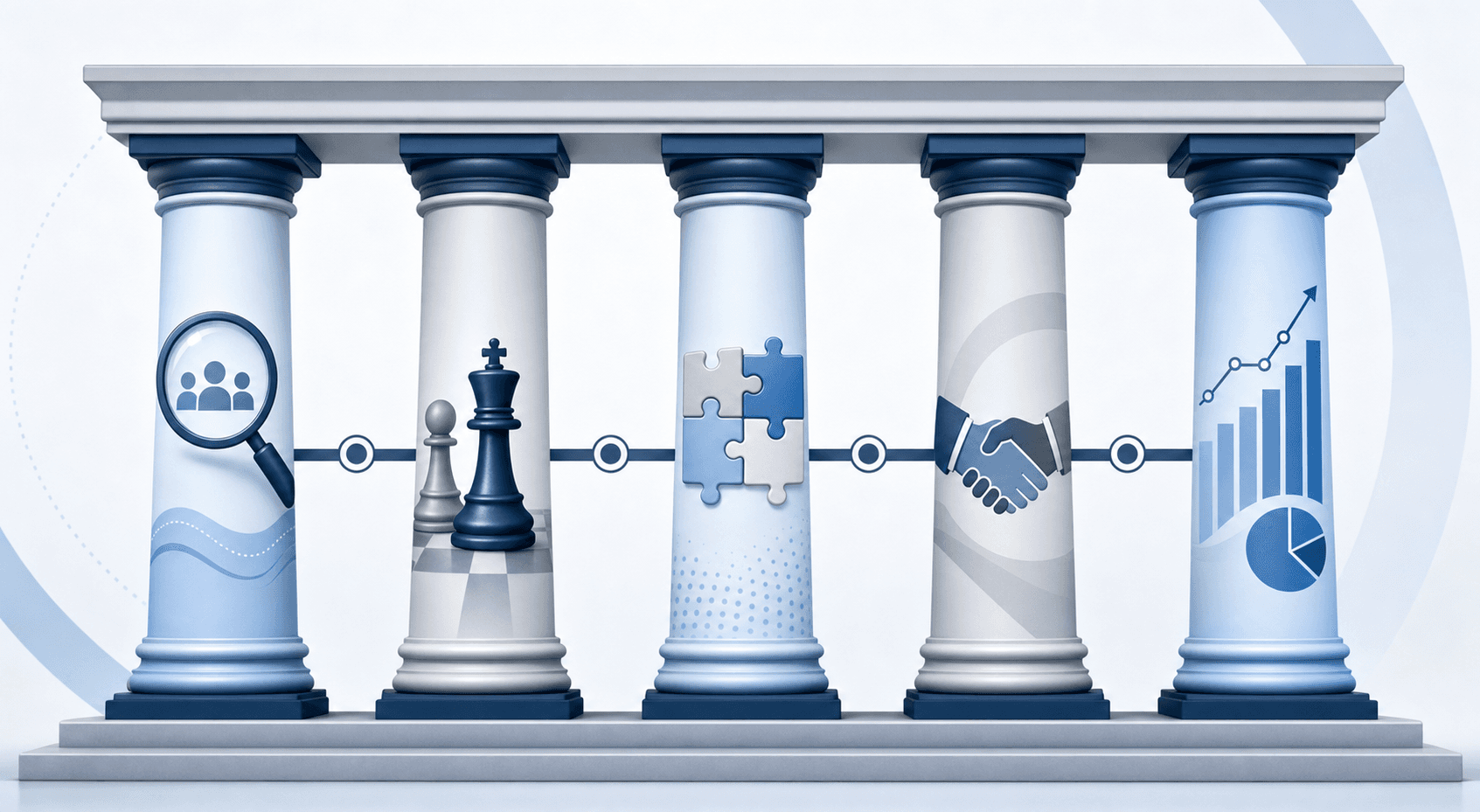
Assign a named owner to each category to keep it current throughout the pursuit, so the proposal team inherits a living document when the RFP drops.
| Intelligence Category | Key Data Elements | Typical Owner | Proposal Application |
|---|---|---|---|
| Customer Insights | Agency priorities, evaluation preferences, known pain points, procurement officer preferences, budget constraints, past award patterns | Capture Manager | Shapes win themes, informs technical approach, guides solution positioning, determines evaluation strategy |
| Competitive Intelligence | Likely competitors, their past performance on similar contracts, pricing patterns, known strengths and weaknesses, teaming relationships | BD Director or Competitive Analyst | Drives ghosting strategy, informs pricing decisions, shapes discriminators, guides past performance selection |
| Capability Gaps | Technical requirements your firm cannot meet alone, certifications needed, geographic presence requirements, small business set-aside considerations | Solutions Architect or Technical Lead | Determines teaming partner needs, shapes subcontracting approach, guides technical solution design |
| Teaming Arrangements | Partner commitments, work-share percentages, key personnel from partners, subcontractor past performance, MOUs and teaming agreements | Contracts Manager | Informs management approach, guides past performance narrative, shapes staffing plan, determines subcontracting section content |
| Pricing Intelligence | Historical award amounts, agency budget estimates, labor category rates, competitive pricing signals, cost realism thresholds | Pricing Lead or Finance Director | Sets price-to-win targets, informs bid strategy, guides cost volume approach, shapes value proposition |
Get GovCon capture and proposal insights in your inbox.
Creating Integration Points in Your Workflow
Three touchpoints in the BD lifecycle need formal integration:
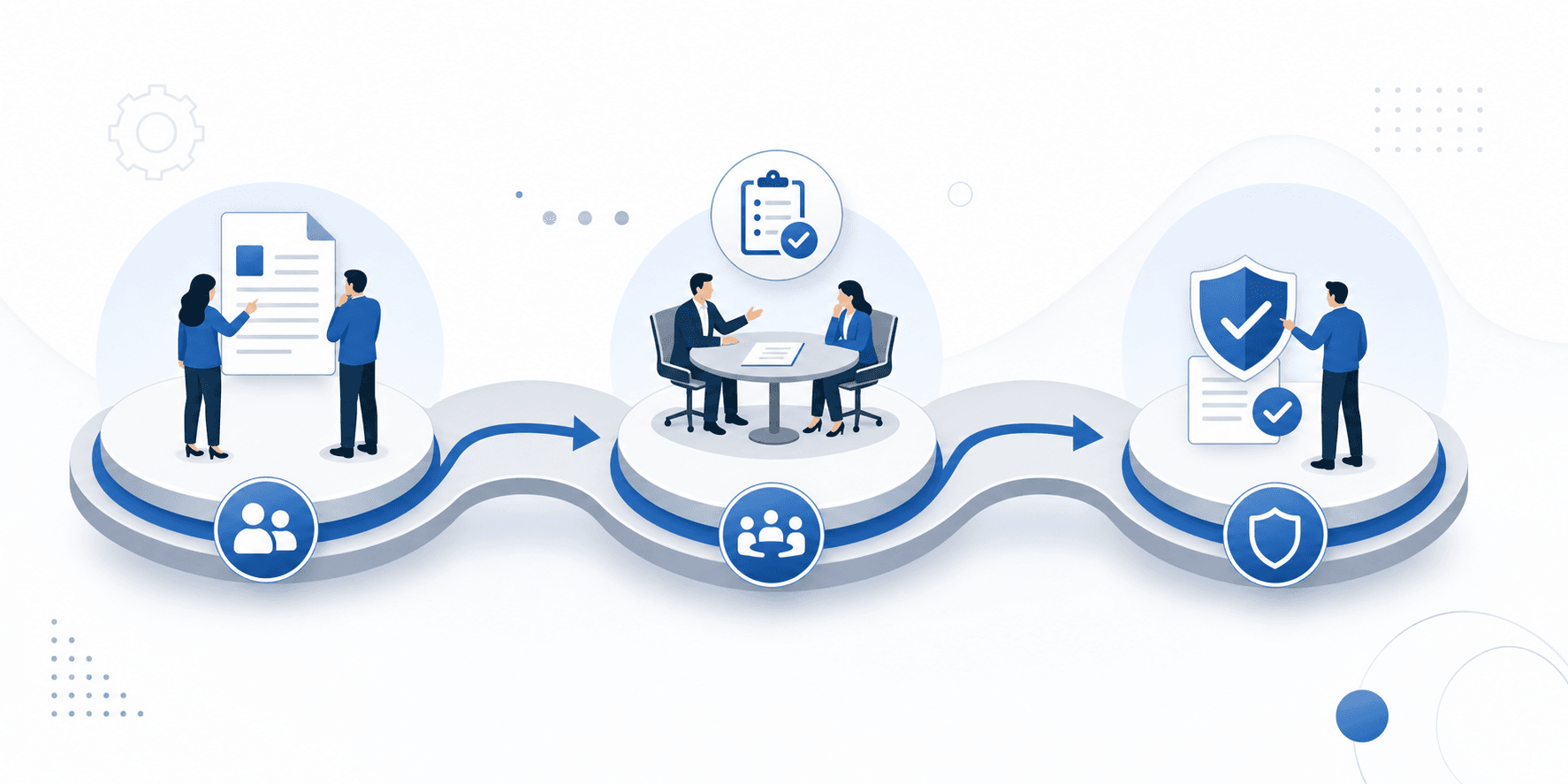
- Gate reviews: capture documents customer priorities, competitive intel, and pricing signals in a shareable brief before the RFP drops.
- Proposal kickoff: capture briefs the proposal team directly using that brief, not a verbal summary.
- Draft review cycles: proposal teams feed differentiators, solution choices, and evaluation feedback back to capture.
Lessons from a proposal, including what reviewers flagged, what win themes resonated, and what gaps surfaced, should cycle back to capture planning. One-way handoffs leave future capture teams starting from scratch.
Using Technology to Bridge Information Gaps
The gap between capture and proposal is fundamentally a pursuit execution problem. Customer intelligence collected during BD and capture often fails to reach proposal teams in a usable format once the solicitation is released. CRM notes sit in Salesforce, proposal content lives in SharePoint, and teams end up copy-pasting manually until something goes stale. Modern proposal platforms eliminate that friction by connecting capture systems directly to proposal workspaces, compliance matrices, and review workflows used in federal pursuits, so customer intelligence and competitive assessments flow to proposal teams without manual transfers. Integration points should pull opportunity context from your CRM, sync win themes and discriminators from capture planning documents, and route amendment notifications to both capture and proposal leads simultaneously. When your compliance matrix can reference customer hot buttons documented during capture without a writer leaving the proposal workspace, you've closed the data routing gap. Federal proposal teams operating under FAR-driven timelines cannot afford disconnected capture workflows. When customer intelligence, amendment tracking, and compliance decisions stay fragmented across systems, proposal quality and submission readiness suffer.
Making Win Themes Flow From Capture Through Submission
Win themes from capture should read consistently from your executive summary through every section of the final proposal. Document each theme with a proof point tied to a specific past performance example so writers inherit both the message and the evidence. Map themes to specific RFP sections during kickoff and assign them directly to section briefs. Color reviews then serve as the checkpoint: any section that fails to reinforce at least one theme goes back for revision before moving forward.
Maintaining Information Flow During RFP Amendments
RFP amendments can invalidate weeks of capture work overnight. When agencies issue modifications, every assumption tied to that requirement may need revisiting, from your win themes to your staffing approach. Build a change-tracking habit into your process so amendments trigger an automatic review of captured intelligence, not a scramble.
How GovEagle Eliminates Capture to Proposal Silos
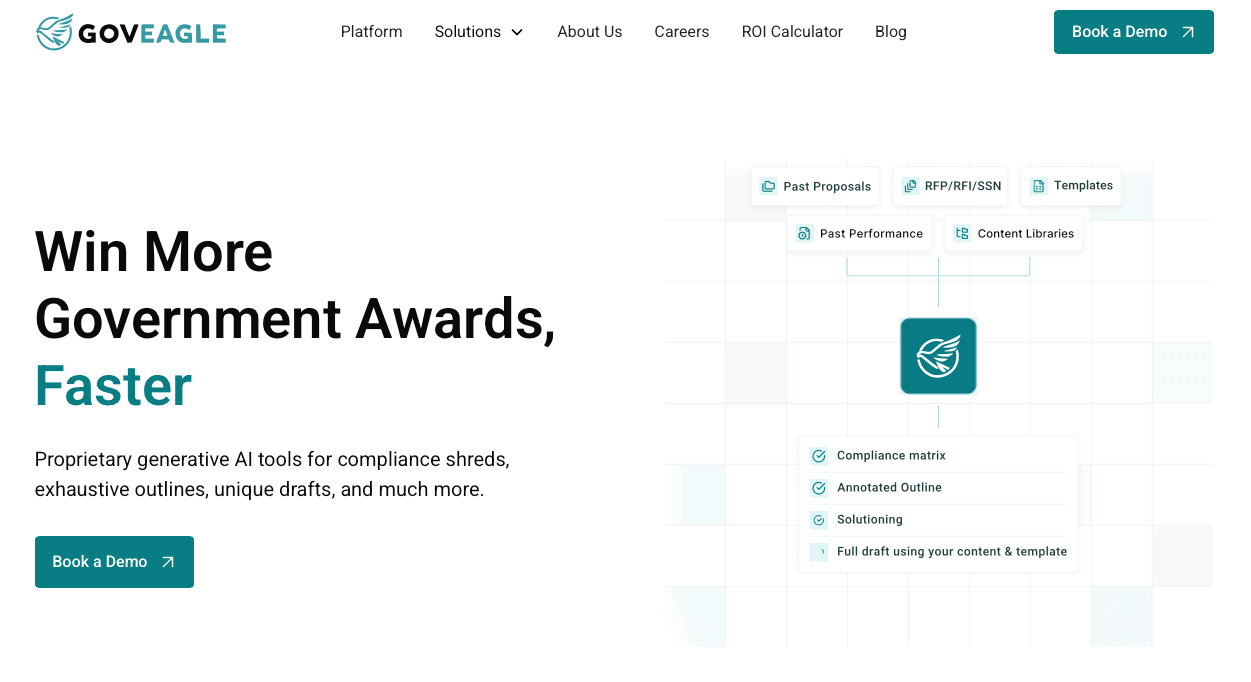
GovEagle connects capture artifacts directly to your proposal workspace so intelligence gathered during pursuit flows into writing without manual re-entry. Win themes, discriminators, and competitive assessments become active inputs the moment your team opens an RFP. CRM integrations with Salesforce and other enterprise systems pull pursuit data directly into proposal workflows.
When the RFP drops, Win Theme Generation draws from your documented customer priorities and past proposal history to surface the messages most likely to resonate with evaluators, giving writers both the theme and the proof point. Amendment tracking is built in as well: when agencies issue modifications, GovEagle identifies what changed, updates the compliance matrix, and flags sections that need revisiting so capture assumptions tied to modified requirements are surfaced before they derail a draft.
The numbers back it up. Precise Software cut SME time on early-stage proposals by 80%. Chevo achieved 30-40% time savings on RFIs and 15-25% on full RFPs with minimal disruption to existing proposal operations and review workflows. The Building People increased proposal volume pursued per quarter by 50% without adding headcount.
FAQs
How do I integrate capture information into the proposal process without manual re-entry?
Connect your capture artifacts to your proposal workspace through integrated systems that pull intelligence directly into proposal workspaces. Map each capture data category (customer insights, competitive intel, win themes) to specific proposal sections during your kickoff so writers inherit context automatically instead of relying on verbal handoffs or copy-pasting from separate documents.
What's the best way to handle capture handoffs when the RFP drops unexpectedly?
Maintain a living capture brief with named owners for each intelligence category throughout the pursuit phase. When the RFP drops, proposal teams can immediately access documented customer priorities, competitive positioning, and win themes instead of scheduling emergency briefing calls or reconstructing knowledge from memory.
Capture plan vs proposal kickoff: when should intelligence transfer happen?
Intelligence transfer should happen before the RFP drops, not after. Hold a formal capture closeout review that documents all customer priorities, competitive sensitivities, and win themes in a shared brief. The proposal kickoff then pulls directly from that brief, cutting out verbal summaries that lose critical details in translation.
Can I track RFP amendments without breaking my capture-to-proposal workflow?
Set up shared notification chains so both capture and proposal leads see amendments simultaneously. Run dual reviews where compliance checks structural changes while capture assesses strategic implications, then log both findings in one document so writers receive complete updates without sorting through conflicting information from multiple sources.
Why do win themes developed during capture get lost during proposal writing?
Win themes get orphaned when they exist only in capture decks instead of being mapped to specific proposal sections. Document each theme with a tied proof point during capture, then assign themes directly to section briefs during kickoff so writers know which messages to reinforce before drafting begins.
Final Thoughts on Closing the Capture to Proposal Gap
Your capture team spends months gathering intelligence that should inform every section of your proposal, but most of it gets lost in the handoff. The fix isn't better briefings. It's a workflow that lets you integrate capture information into your proposal process without manual transfers between systems. See how GovEagle connects capture artifacts to proposal workspaces in a live demo. Your win themes deserve to make it past the kickoff meeting.